Taso Research serves public sector and civil society actors as well as businesses.
We help our clients utilise surveys, demographic data, statistical data, and regional and spatial data better and more effectively in their operations.
Research Services
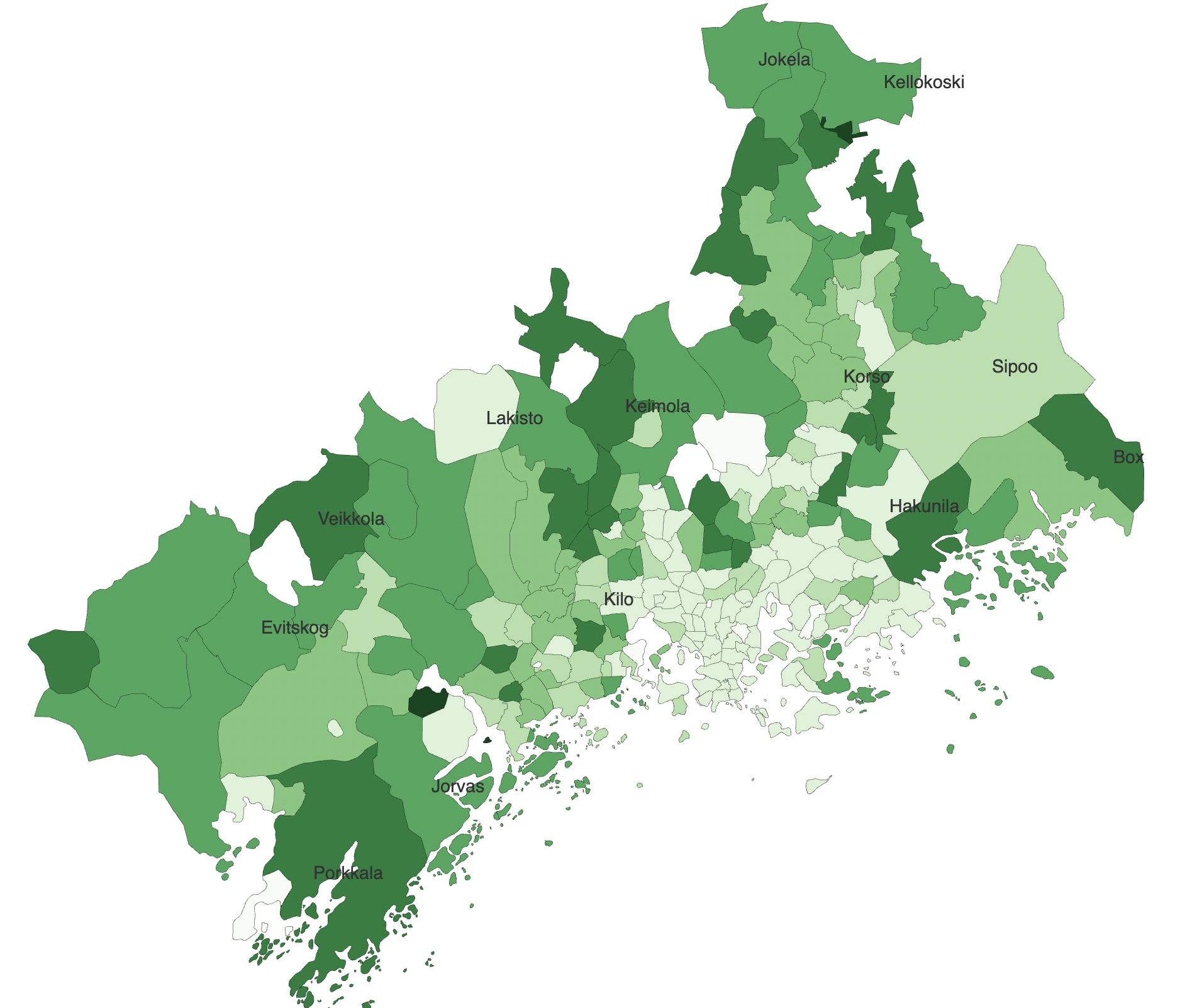
Taso Research conducts societal and population research relying on quantitative research expertise. We also provide solutions that combine qualitative and quantitative research approaches.
We are building an understanding of society and its operation broadly and multidisciplinary by applying socio- and behavioural science theories and data-driven methods we have developed.
We specialise in studying values and attitudes in various contexts and analysing the factors affecting social cohesion and resilience.
We are building an understanding of society and its operation broadly and multidisciplinary by applying socio- and behavioural science theories and data-driven methods we have developed.
We specialise in studying values and attitudes in various contexts and analysing the factors affecting social cohesion and resilience.
Data analytics
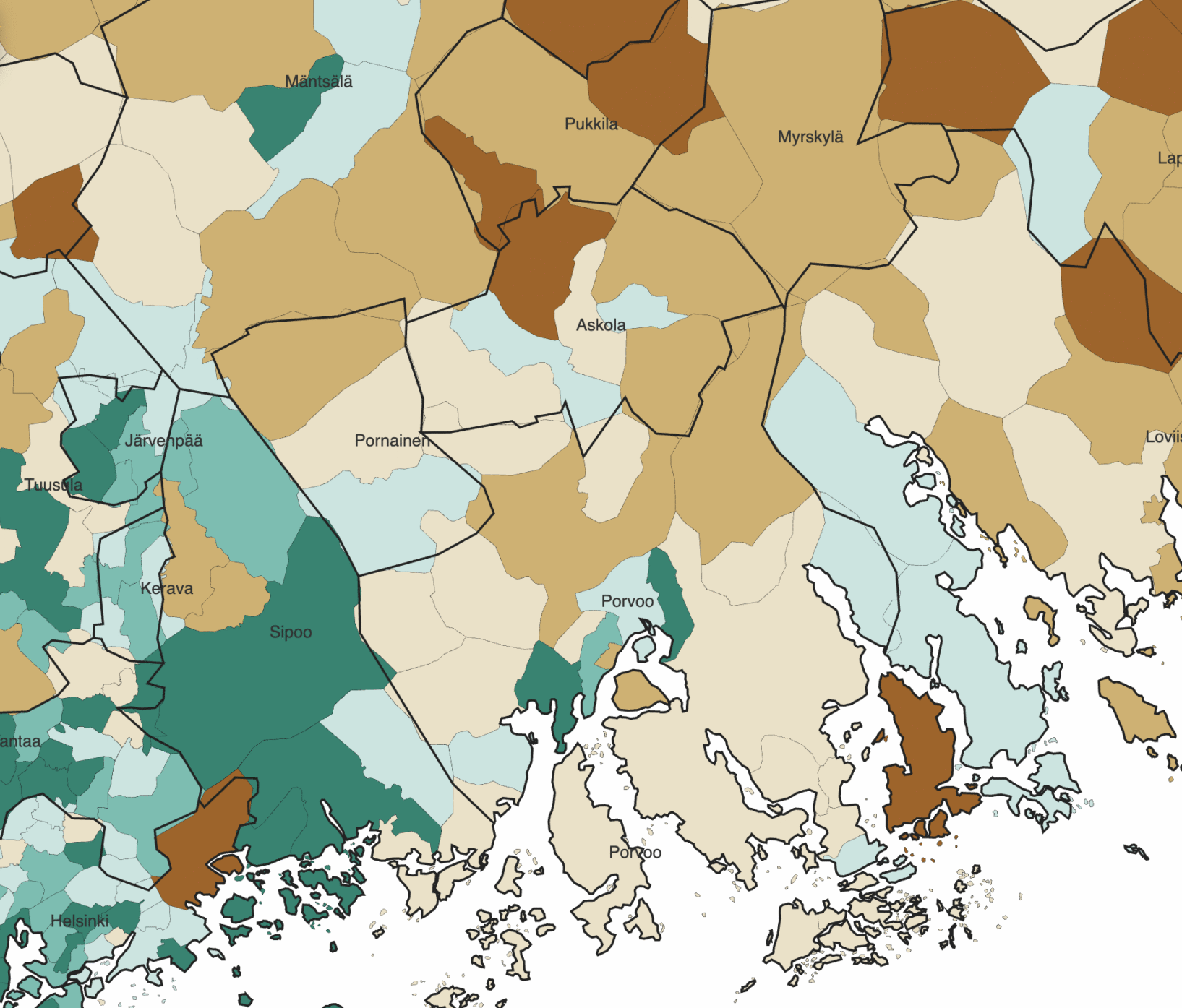
Our research projects always involve a data and statistical analytical approach. Our projects examine the internal connections of research data and seek answers whyto the questions.
By combining survey data with regional statistical data, we can track down regional special characteristics and trajectories.
We use advanced computational models to help our clients understand large data sets. We ensure that even highly sophisticated models can be described in an understandable and transparent way.
We use advanced computational models to help our clients understand large data sets. We ensure that even highly sophisticated models can be described in an understandable and transparent way.
Population and regional models
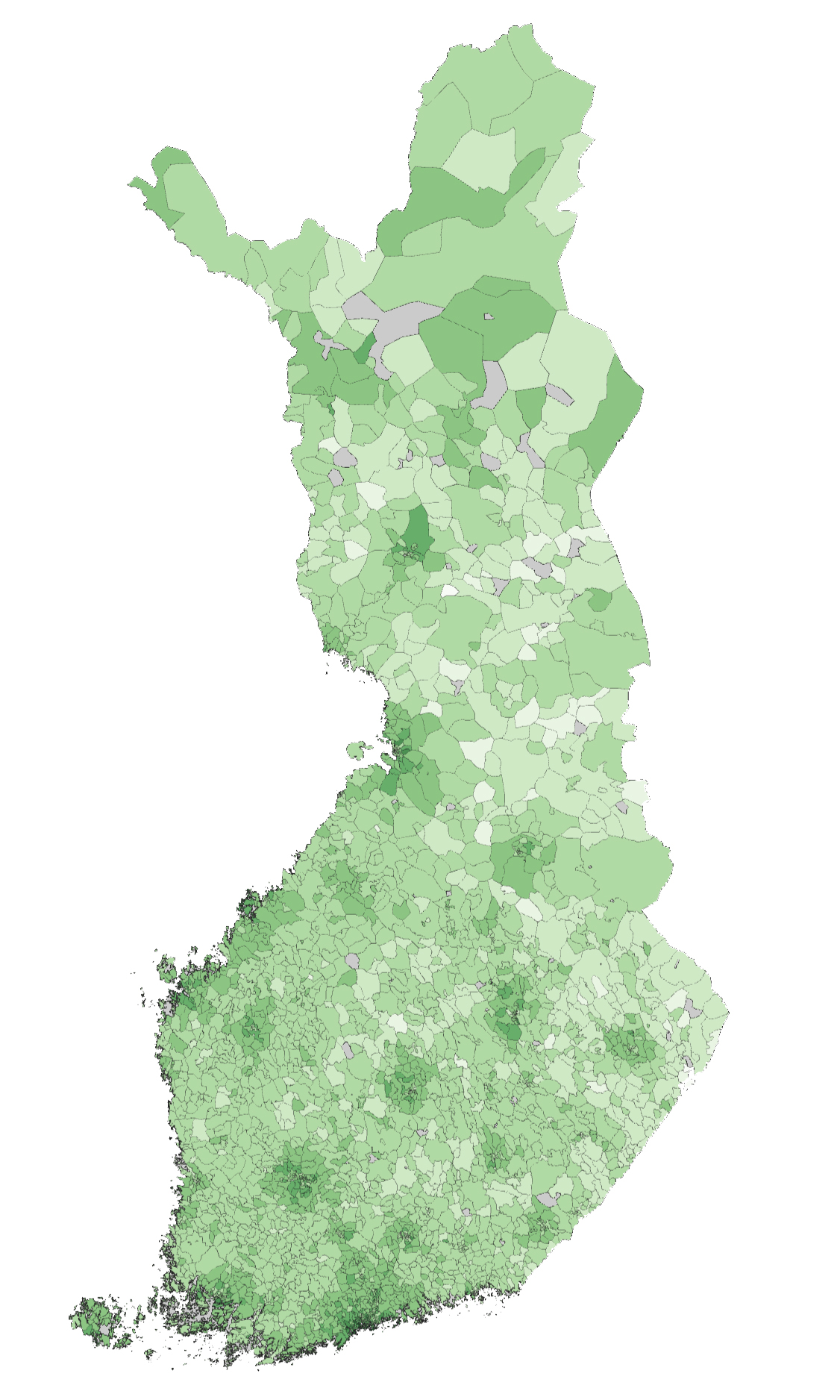
At the heart of our operations is the demographic digital twin we have developed and the population and regional model built around it. The population twin has been computationally generated from actual population data concerning Finland's population and regions.
Our analysis models integrate population and location-related data together: research results, open statistical data, and organisations' own data can be linked to both the population and the places where people live, work, and move.
The solution makes it possible to model demographic groups and phenomena as well as regional differences. Cost and impact calculations can easily be attached to the models.
The specific benefit of the population and regional model relates to simulating future trends and creating scenarios.
Our analysis models integrate population and location-related data together: research results, open statistical data, and organisations' own data can be linked to both the population and the places where people live, work, and move.
The solution makes it possible to model demographic groups and phenomena as well as regional differences. Cost and impact calculations can easily be attached to the models.
The specific benefit of the population and regional model relates to simulating future trends and creating scenarios.